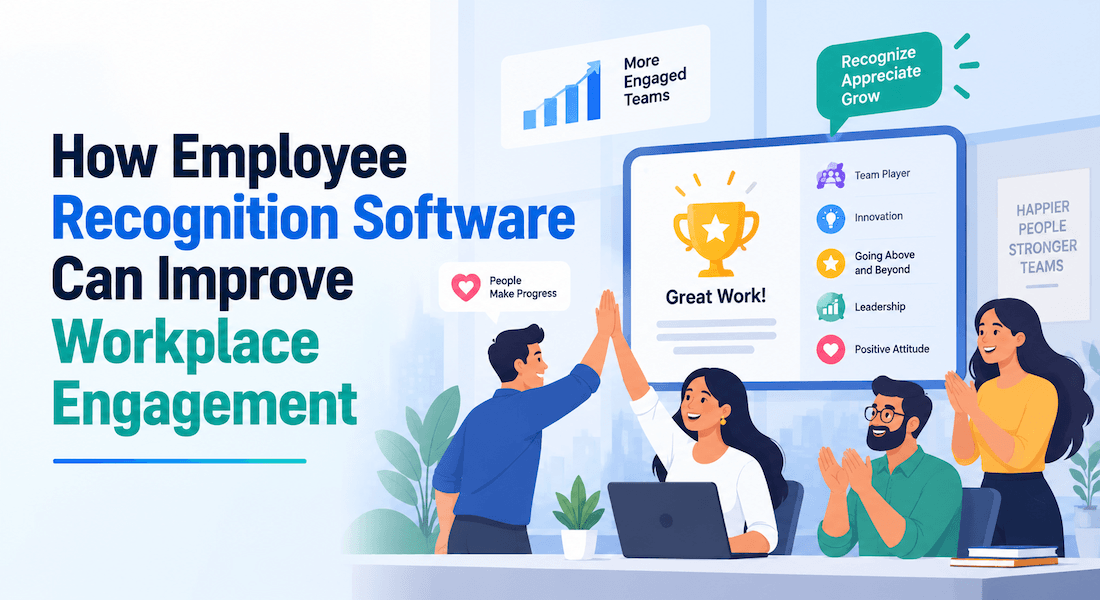
How Employee Recognition Software Can Improve Workplace Engagement
Employee engagement is one of the most important factors influencing productivity, retention, and overall business success. When employees feel valued for their efforts and contributions, they are more likely to stay motivated, collaborate effectively, and remain committed to organizational goals. However, maintaining consistent recognition across a growing workforce can be challenging without the right systems in place.
Technology has made it easier for organizations to build a culture of appreciation through structured recognition programs. By providing timely and meaningful acknowledgment of employee achievements, businesses can strengthen workplace morale and foster a more engaged workforce.
Creates a Culture of Appreciation
Employees want to know that their hard work is noticed. When recognition becomes a regular part of the workplace, employees are more likely to feel connected to their roles and valued by their organization.
Using employee recognition software allows companies to formalize appreciation while making it accessible to managers and peers alike. Instead of waiting for annual reviews, employees can receive recognition in real time for accomplishments, teamwork, and positive contributions.
A culture where appreciation is consistently expressed often leads to stronger employee satisfaction and improved morale.
Encourages Increased Motivation
Recognition can be a powerful motivator. Employees who receive acknowledgment for their efforts are often inspired to maintain high performance and continue contributing to organizational success.
Recognition software helps ensure that achievements do not go unnoticed. Whether an employee completes a major project, exceeds performance goals, or supports colleagues during a challenging period, timely recognition reinforces positive behaviors.
As employees see their contributions being valued, they are more likely to remain engaged and invested in their work.
Strengthens Team Collaboration
Workplace engagement extends beyond individual performance. Strong collaboration among team members is essential for achieving business objectives and creating a positive work environment.
Many recognition platforms allow peers to recognize one another's efforts, encouraging teamwork and mutual appreciation. When employees celebrate each other's successes, workplace relationships often become stronger.
Peer-to-peer recognition can also help break down departmental barriers and promote a greater sense of unity across the organization.
Improves Employee Retention
Employee turnover can be costly and disruptive. One common reason employees leave organizations is the feeling that their contributions are not valued or appreciated.
Regular recognition helps employees feel connected to their workplace and reinforces the importance of their role within the company. Recognition software ensures that acknowledgment is consistent and visible, reducing the likelihood that accomplishments will be overlooked.
When employees feel respected and appreciated, they are often more likely to remain with the organization long term.
Provides Valuable Performance Insights
Recognition platforms often generate data that can help organizations better understand employee engagement trends. Managers can identify high-performing individuals, recognize collaboration patterns, and monitor participation in recognition programs.
These insights can support leadership decisions related to employee development, team management, and workplace culture initiatives. By understanding how recognition is distributed across the organization, companies can create more effective engagement strategies.
Data-driven insights also help ensure that recognition efforts remain fair, meaningful, and aligned with company goals.
Supports Remote and Hybrid Workforces
As remote and hybrid work arrangements become increasingly common, organizations face new challenges in maintaining employee engagement. Employees working from different locations may have fewer opportunities for informal recognition and face-to-face interactions.
Recognition software bridges this gap by providing a centralized platform where appreciation can be shared regardless of location. Employees can receive recognition instantly, helping them feel connected to the team even when working remotely.
This consistent visibility helps maintain a sense of belonging and engagement across distributed workforces.
Conclusion
Workplace engagement thrives when employees feel appreciated, motivated, and connected to their organization. Recognition software provides an efficient way to celebrate achievements, encourage collaboration, improve retention, and support both in-office and remote teams. By making recognition a consistent part of company culture, organizations can create a more positive work environment where employees are empowered to perform at their best.
About The Author