How Case Management Software Helps Teams Deliver Better Outcomes
Organizations that manage complex workflows often face challenges related to coordination, communication, and consistency. Whether in healthcare, legal services, social work, or customer support, teams are required to handle large volumes of information while maintaining accuracy and efficiency. Without the right tools in place, this can result in delays, errors, and missed opportunities to provide quality service.
Modern digital solutions are transforming how teams operate. By centralizing information and streamlining processes, technology allows professionals to work more effectively and focus on delivering meaningful results.
Improving Organization and Accessibility
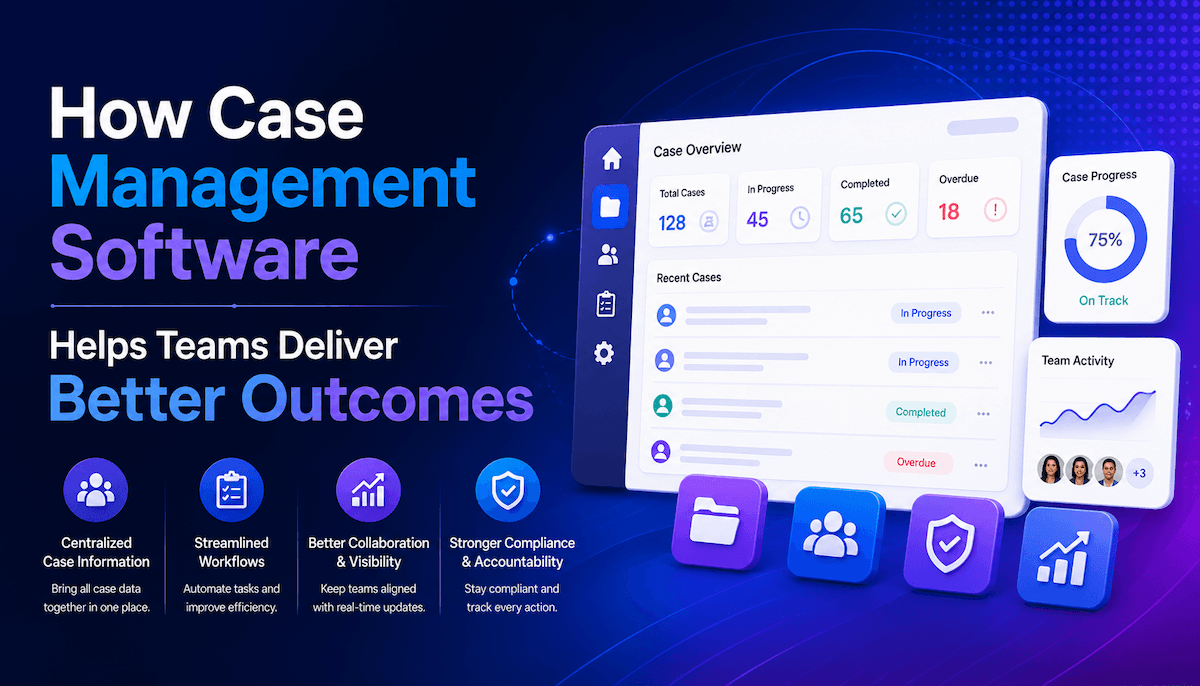
One of the primary benefits of case management systems is the ability to keep all relevant information in a single, organized location. Instead of searching through emails, spreadsheets, or paper files, team members can access everything they need quickly and easily.
This centralized approach reduces duplication and ensures that everyone is working with the most up-to-date data. It also minimizes the risk of information being lost or overlooked. When records are well organized, teams can make faster and more informed decisions, which ultimately leads to better outcomes.
In fast-paced environments, having immediate access to accurate information can make a significant difference. It enables staff to respond promptly to client needs and ensures continuity, even when multiple team members are involved.
Enhancing Collaboration Across Teams
Collaboration is essential for delivering consistent and high-quality results. When multiple stakeholders are involved in managing a case or project, clear communication becomes critical.
A strong system allows team members to share updates, assign tasks, and track progress in real time. This transparency helps prevent misunderstandings and ensures accountability across the organization. Everyone can see what has been completed, what still needs attention, and who is responsible for each task.
Using Case Management Software also supports better coordination between departments. For example, in healthcare settings, it can connect administrative staff, clinicians, and support teams, ensuring that patient care remains aligned. In legal or social service contexts, it helps maintain a shared understanding of case progress and next steps.
By fostering collaboration, teams can work more efficiently and deliver more cohesive services.
Streamlining Workflows and Reducing Errors
Manual processes often leave room for human error and inefficiency. Repetitive tasks such as data entry, scheduling, and reporting can consume valuable time and increase the likelihood of mistakes.
Automation features within case management systems help streamline these workflows. Routine tasks can be handled automatically, allowing staff to focus on higher value responsibilities. For instance, reminders can be scheduled, documents can be generated quickly, and deadlines can be tracked without manual input.
Standardized processes also ensure consistency across the organization. When everyone follows the same workflow, the quality of service becomes more predictable and reliable. This reduces variations that could negatively impact outcomes.
Over time, these efficiencies help organizations save time and resources while improving accuracy.
Supporting Data-Driven Decision Making
Access to meaningful data is essential for improving performance and planning future strategies. Case management platforms often include reporting and analytics features that provide valuable insights into operations.
Teams can track metrics such as case resolution times, workload distribution, and client outcomes. This data allows managers to identify trends, pinpoint inefficiencies, and make informed decisions.
With better visibility into performance, organizations can continuously refine their processes. They can also demonstrate accountability and effectiveness to stakeholders, which is particularly important in regulated industries.
Data-driven insights not only improve internal operations but also enhance the overall quality of service delivered to clients or customers.
Enhancing Client and User Experience
Delivering a positive experience is a key objective for any organization. Efficient systems play a vital role in ensuring that clients receive timely, accurate, and personalized support.
When teams have access to complete and organized information, they can respond more effectively to client needs. Faster response times, fewer errors, and consistent communication all contribute to a better experience.
Additionally, many systems offer client-facing features such as portals or automated updates. These tools keep clients informed and engaged, reducing uncertainty and building trust.
A well-supported team is better equipped to provide high-quality service, which leads to stronger relationships and improved satisfaction.
Conclusion
Efficient processes and clear communication are essential for delivering strong outcomes in any organization. By improving organization, enhancing collaboration, and enabling data-driven decisions, modern tools play a central role in supporting team success.
When implemented effectively, these systems not only streamline internal operations but also create a more responsive and reliable experience for clients. As a result, organizations can achieve greater consistency, efficiency, and overall performance.
About The Author