How IT Services Reduce Downtime and Increase Productivity
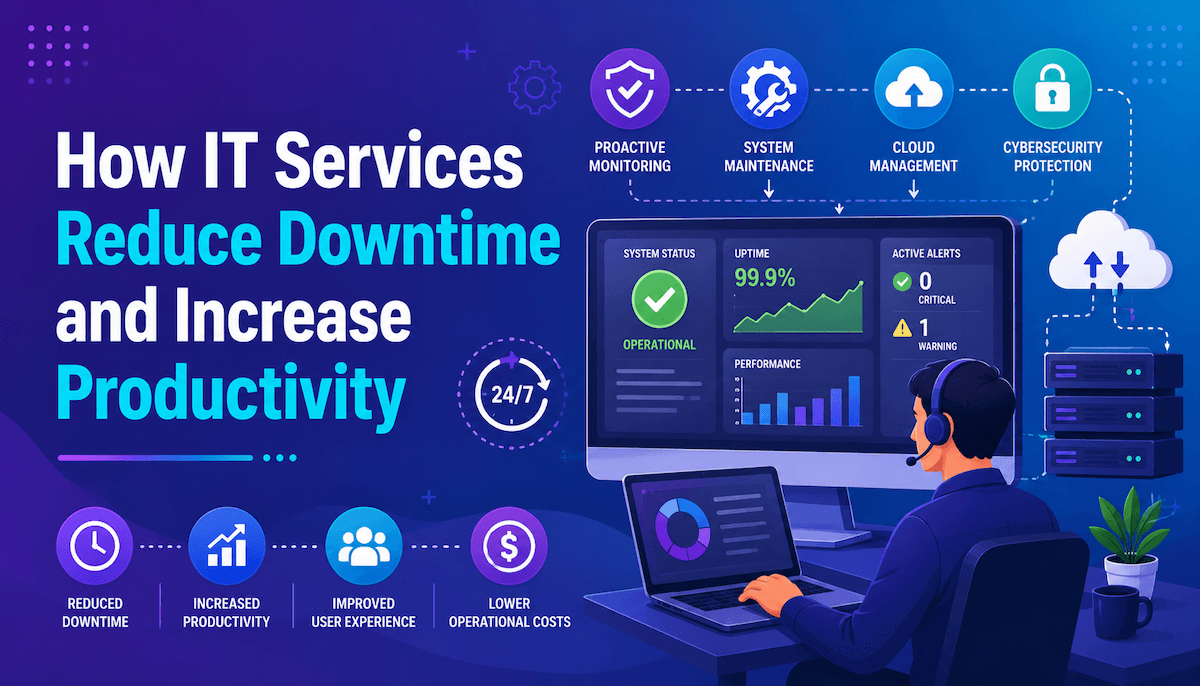
Technology has become the backbone of modern business operations. From communication and customer service to data management and daily workflows, companies rely heavily on their IT infrastructure to stay competitive. However, unexpected technical issues, security threats, and outdated systems can disrupt operations and lead to costly downtime. These interruptions not only affect revenue but can also lower employee morale and damage customer trust.
Professional IT support helps businesses maintain stable, secure, and efficient technology environments. By proactively managing systems and addressing issues before they escalate, organizations can minimize disruptions and keep employees focused on their work.
The High Cost of Downtime
Downtime can have a significant impact on businesses of all sizes. When systems become unavailable, employees may be unable to access files, communicate with customers, process transactions, or complete essential tasks. Even a short outage can result in lost productivity and missed opportunities.
Beyond immediate financial losses, downtime often creates long-term consequences. Customers expect reliable service and may turn to competitors if they experience delays or service interruptions. Repeated technical problems can also reduce employee efficiency as workers spend valuable time dealing with technology issues instead of focusing on their responsibilities.
Working with experienced IT professionals helps identify vulnerabilities and implement strategies that reduce the likelihood of unexpected disruptions.
Proactive Monitoring Prevents Major Issues
One of the biggest advantages of professional IT services is proactive monitoring. Rather than waiting for systems to fail, IT specialists continuously monitor networks, servers, and devices to detect unusual activity or potential problems early.
This proactive approach allows technicians to address minor concerns before they become major outages. For example, failing hardware, software conflicts, and storage limitations can often be identified and resolved before they affect business operations.
Businesses that invest in managed IT services Nampa gain access to ongoing monitoring and maintenance that help keep their systems running smoothly. This reduces the risk of unexpected downtime and helps maintain consistent performance across the organization.
Strengthening Cybersecurity and Business Continuity
Cybersecurity threats continue to grow in both frequency and sophistication. Ransomware, phishing attacks, malware, and data breaches can cause serious disruptions and financial losses. In many cases, businesses without proper protection experience extended downtime while recovering from an attack.
IT service providers help organizations strengthen their security posture through solutions such as firewall management, endpoint protection, security monitoring, and employee training. These measures reduce the likelihood of successful cyberattacks and improve overall resilience.
In addition to security protections, professional IT teams develop backup and disaster recovery plans. If a cyber incident, natural disaster, or hardware failure occurs, businesses can restore critical data and resume operations much faster. This preparedness minimizes downtime and ensures greater business continuity.
Improving Employee Efficiency
Technology issues often create frustration for employees. Slow computers, unreliable networks, software errors, and connectivity problems can interrupt workflows and reduce productivity throughout the workday.
IT professionals help ensure that employees have access to reliable tools and systems that support efficient work. Regular software updates, hardware optimization, and prompt troubleshooting allow teams to perform their responsibilities without unnecessary interruptions.
Modern IT services also support remote and hybrid work environments by providing secure access to company resources from virtually any location. When employees can easily access applications, communicate with colleagues, and collaborate effectively, overall productivity improves substantially.
By reducing technical obstacles, businesses create an environment where employees can focus on serving customers, completing projects, and achieving organizational goals.
Strategic Technology Planning for Growth
Effective IT services go beyond repairing computers and resolving technical issues. They also help businesses develop long-term technology strategies that align with organizational objectives.
As companies grow, their technology needs become more complex. IT professionals evaluate existing systems, identify opportunities for improvement, and recommend scalable solutions that support future expansion. This may include cloud migration, network upgrades, infrastructure improvements, or software implementation.
Strategic planning helps businesses avoid unexpected technology challenges that could cause downtime in the future. It also ensures that technology investments deliver maximum value and contribute to operational efficiency.
When organizations have a clear technology roadmap, they can make informed decisions that support both productivity and long-term success.
Conclusion
Reducing downtime and improving productivity are critical priorities for any business. Unplanned outages, cybersecurity incidents, and inefficient technology can negatively affect operations, employee performance, and customer satisfaction. Professional IT services provide the expertise, monitoring, and strategic support needed to keep systems reliable and secure.
By proactively managing technology, strengthening security, supporting employees, and planning for future growth, businesses can create a more productive work environment and maintain a stronger competitive position in today's increasingly digital marketplace.
About The Author