How Executive Branding Supports Career Advancement and Business Success
In today’s competitive professional landscape, standing out requires more than just experience and qualifications. Leaders are increasingly expected to demonstrate a clear sense of identity, vision, and value that others can recognize and trust. This is where personal positioning becomes a powerful tool for growth.
For professionals aiming to elevate their careers or strengthen their business influence, establishing a distinct presence can make a measurable difference. A strong professional reputation not only opens doors but also helps build credibility that lasts over time.
Defining a Clear Professional Identity
One of the first steps toward building a strong leadership presence is understanding and defining what sets you apart. This involves identifying your core strengths, expertise, and the unique perspective you bring to your industry.
A clear professional identity helps others quickly understand who you are and what you stand for. It also ensures consistency across different platforms, whether in meetings, online profiles, or public appearances. When your messaging aligns with your values and goals, it becomes easier for others to trust your expertise.
Clarity in professional identity is especially important for leaders who want to influence decision-making or guide teams. It positions them as reliable sources of insight and direction within their organizations or industries.
Building Credibility and Trust
Trust is a critical factor in both career progression and business success. Professionals who consistently demonstrate knowledge, integrity, and reliability tend to attract more opportunities.
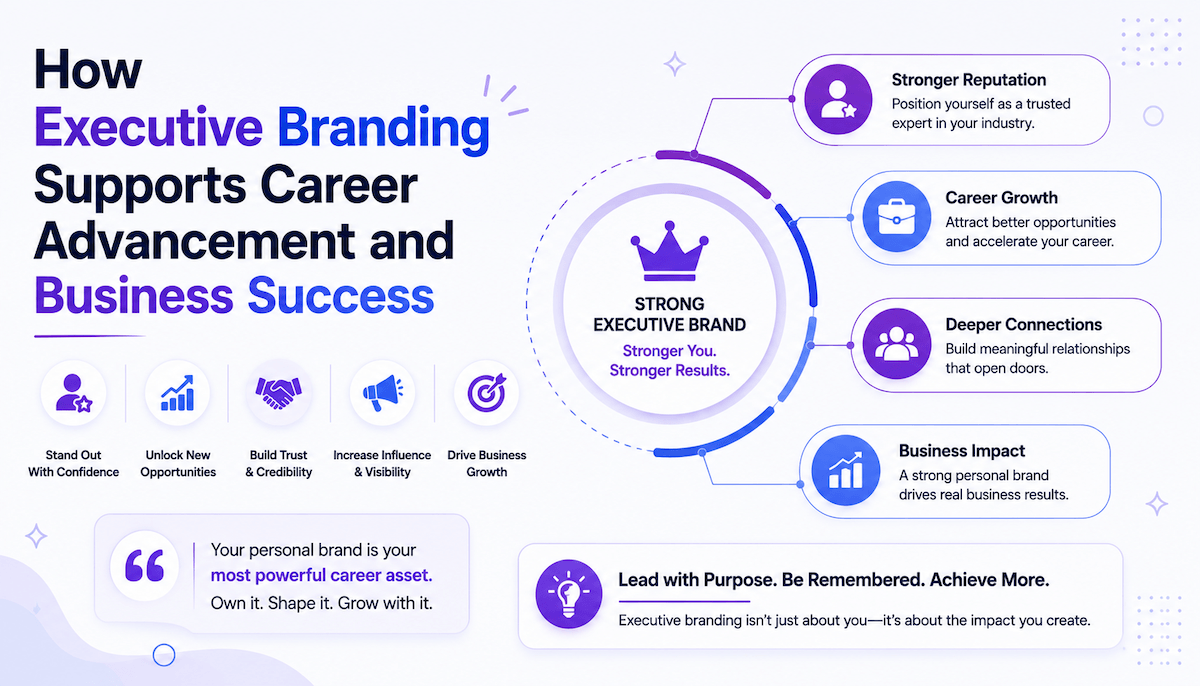
Developing Executive Branding allows individuals to showcase their achievements and expertise in a structured way. This includes sharing insights, contributing to industry discussions, and highlighting successful projects. Over time, these efforts strengthen credibility and establish authority.
A well-developed professional presence also makes it easier for others to recommend or refer you. Whether it is a potential employer, client, or business partner, people are more likely to engage with individuals who have a proven track record and a recognizable identity.
Expanding Professional Opportunities
Career growth often depends on visibility. Even highly skilled professionals may struggle to advance if their contributions are not widely recognized. By actively shaping how they are perceived, individuals can increase their visibility in meaningful ways.
This visibility can lead to new opportunities such as leadership roles, speaking engagements, partnerships, or business ventures. When others are aware of your expertise and accomplishments, they are more likely to consider you for roles that align with your strengths.
A strong professional presence also supports networking efforts. It provides a foundation for building relationships with peers, mentors, and industry leaders. These connections can play a critical role in long-term success by offering guidance, collaboration opportunities, and access to new markets.
Strengthening Organizational Influence
For professionals in leadership positions, influence within an organization is just as important as external recognition. Leaders who have a clear and respected presence are better equipped to inspire teams and drive strategic initiatives.
When employees and colleagues understand a leader’s vision and values, they are more likely to align with organizational goals. This alignment fosters collaboration, improves communication, and enhances overall performance.
A strong leadership presence also supports decision-making. When trust and credibility are already established, it becomes easier to gain support for new ideas or changes. This can be particularly valuable in fast-paced or high-stakes environments where confidence and clarity are essential.
Supporting Long-Term Business Growth
Beyond individual career advancement, a strong professional identity can contribute directly to business success. For entrepreneurs and executives, how they are perceived often influences how their organizations are viewed.
A recognizable and trustworthy presence can attract clients, investors, and strategic partners. It signals stability and expertise, which are key factors in building long-term business relationships. Customers are more likely to engage with businesses led by individuals who demonstrate leadership and authenticity.
Additionally, a strong professional presence helps differentiate a business in crowded markets. When a leader’s voice and perspective stand out, it creates a competitive advantage that goes beyond products or services alone.
Consistency in communication and messaging further reinforces this advantage. Over time, it builds a reputation that supports both brand loyalty and sustained growth.
Maintaining and Evolving Your Professional Presence
Creating a strong professional identity is not a one-time effort. It requires ongoing attention and refinement as careers evolve and industries change. Regularly updating your achievements, sharing insights, and engaging with your professional community are all part of maintaining relevance.
Feedback from peers and mentors can also be valuable in identifying areas for improvement. By staying adaptable and open to growth, professionals can ensure that their presence continues to reflect their current goals and capabilities.
It is equally important to remain authentic. A genuine approach resonates more strongly with audiences and helps build lasting trust. Authenticity ensures that your professional identity remains consistent and credible over time.
Conclusion
A well-developed professional presence plays a central role in achieving both career advancement and business success. By defining a clear identity, building trust, increasing visibility, and strengthening influence, individuals can position themselves for long-term growth.
In an environment where perception often shapes opportunity, taking control of how you are seen can be one of the most strategic decisions you make.
About The Author